Let’s be honest, eating healthy is easy to talk about. But when you’re living on a tight student budget, it can feel impossible. With lectures, assignments, and side hustles draining your time (and money), you end up relying on chapati + eggs, Rolex, chips, mandazi, and vending machine snacks.
But here’s the truth:
You don’t need a big salary to eat healthy.
You just need strategy.
Eating well is not about buying expensive “fitness meals.” It’s about making the most out of what is cheap, available, and nutritious, right where you are.
Welcome to healthy eating on a budget — Ugandan/African edition.1. “Market Intelligence”: Buy Like a Pro
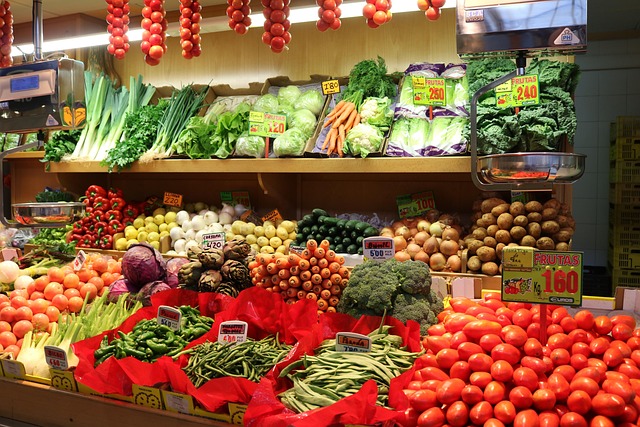
Supermarkets are convenient, but street markets are cheaper and fresher.
Instead of buying tomatoes from a supermarket refrigerator, head to:
Nakasero Market, Wandegeya, Kalerwe Market, Nakawa Market, Or any local main market or fresh produce stall around.
Pro tip:
Buy vegetables in the evening. Sellers give discounts to clear stock.
Cheap Staples to Prioritize.
Matooke, Sweet potatoes, Posho, Beans (kabale/nyayo), Groundnuts, Sukuma wiki (kale), Cabbage.
These foods are budget-friendly AND full of nutrients.
2. Meal Prep: Your Wallet Will Thank You
Eating healthy becomes expensive when you buy food per meal.
Example:
Instead of casually walking into a supermarket and coming out broke, plan like this:
Item
Estimated Price (UGX)
1kg rice
5,000
1kg beans
4,500
Sukuma wiki (bundle)
1,000
Tomatoes & onions
2,000
Eggs (tray of 30)
12,000–15,000
That’s enough food for a week, under 25,000 UGX.
Budget = discipline + savings + healthier body.
Cheap Meals to Meal Prep
Beans + rice + cabbage
Sweet potatoes + g.nut sauce + sukuma wiki
Posho + silverfish (mukene) + dodo
Mukene is especially powerful — cheap, high in calcium and omega-3 (brain food!).
4. Snack Smart (Replace junk with real foods)
Instead of soda + fries during study breaks, try:
Cheap. Nutritious. Available everywhere.
Why it works:
Healthy snacks stop sugar cravings and help you focus longer when studying.
5. Hydration: The Cheapest Health Hack
Most of the time when you feel “hungry,” You’re just dehydrated. Skip soda and energy drinks. Drink water.
6. Protein Doesn’t Mean Expensive
“Eating healthy is expensive” is only true if you think protein = chicken + beef every day.
Budget-friendly protein sources in Uganda/Africa:
Beans, Eggs, G.nuts, Mukene (silverfish), Soybeans, Lentils (pease), Offals (cheap and full of iron)
Eggs are the MVP:
High in protein + affordable + easy to cook.
7. Repeat Meals (Don’t Try to Be a Chef Every Day)
You don’t need 7 different meals in a week.
Choose 2–3 recipes and rotate.
Example:
Monday–Wednesday: Beans + rice + greens
Thursday–Friday: Sweet potatoes + g.nut sauce, fish or mukene.
Weekend: Chapati + beef stew treat (reward)
Your body doesn’t need variety — your ego does.The Mindset Shift: Healthy is NOT equal to Expensive
Healthy eating is not about Imported cereal, Fancy protein shakes, Instagram meals.
It’s about making smart, simple, affordable choices.
Eat like this now, and your future self will thank you. Your health is an investment, not a luxury.